Wondering if buying a historic home in Webster Groves is all charm and no complications? The truth is, these homes can offer incredible character, craftsmanship, and a real sense of place, but they also come with rules, maintenance needs, and planning considerations that are important to understand before you make an offer. If you are drawn to original details and older architecture, this guide will help you know what to look for, what to ask, and how to prepare. Let’s dive in.
Why Webster Groves Historic Homes Stand Out
Webster Groves has a long architectural history, with homes dating from the mid-1800s to the present. According to the city’s historic preservation materials, historic homes and commercial buildings are found throughout the community, and the city identifies 48 historic landmarks and five historic districts.
Those five districts are Central Webster, Marshall Place, Old Webster, Webster College-Eden Theological Seminary, and Webster Park. Each district has its own character, charter, and preservation guidelines, so two historic homes in Webster Groves may come with very different expectations depending on where they are located.
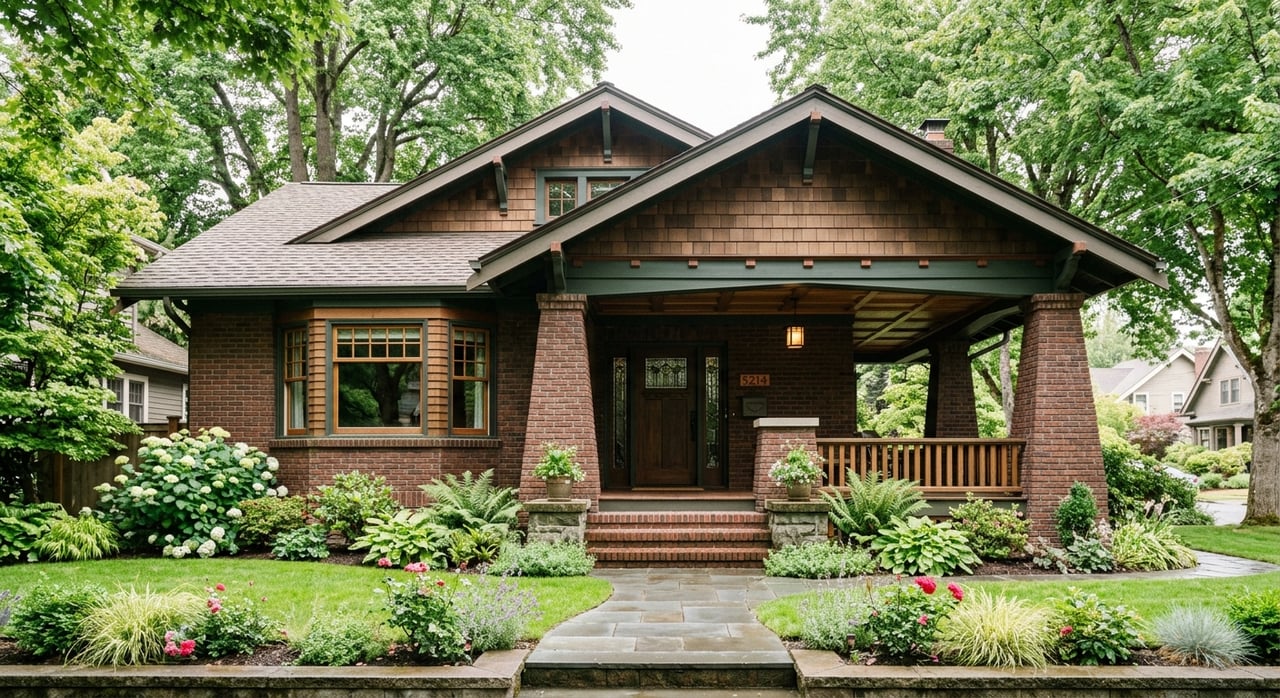
Part of the appeal is the level of craftsmanship you often find in older homes. The city notes that older homes generally have higher-quality construction and more distinctive details than many newer houses, which helps explain why so many buyers are drawn to them.
Character Features to Look For
If you are shopping for a historic home in Webster Groves, you may see original wood windows, muntins, transoms, porches, columns, railings, doors, trim, masonry, and mature landscaping. In some districts, preservation guidance specifically supports retaining these kinds of original features where possible.
For example, Webster Park and Central Webster guidelines favor preserving original wood windows and storm windows, retaining transoms, preserving porches and ornamental details, and designing additions that are compatible with the original material and style. The city also notes that energy-efficient window choices are preferred when they still resemble the original appearance. You can review more about these historic designation benefits and expectations on the city’s site.
Styles can vary, too. Marshall Place, for example, is listed in the National Register and includes Queen Anne and late-19th- and 20th-century revival styles, according to the National Park Service listing. That variety is part of what makes house hunting in Webster Groves interesting.
Understand Historic District Rules Early
One of the biggest things to understand before buying is that historic designation is meant to manage change, not stop it. That is an important distinction. You may still be able to update or improve a property, but the process can be different than it would be for a newer home.
In Webster Groves, ordinary maintenance and most interior alterations generally do not require review by the Architectural Review Board or Historic Preservation Commission. However, exterior remodeling, additions, new construction, demolition, relocation, and some property boundary changes can trigger review, according to the city’s historic designation guidance.
For buyers, that means your long-term plans matter. If you already know you want to replace windows, build an addition, add fencing, or make major exterior changes, it is smart to confirm what approvals may be needed before you close.
Permits and Review Can Affect Your Timeline
Historic-home projects often require more planning than buyers expect. Webster Groves requires building permits before exterior or interior alterations, additions, demolition or moving, and work on regulated equipment.
The city also states that the Architectural Review Board reviews exterior-look renovations, sign permits, and fences in historic districts. A Certificate of Appropriateness may be required in historic districts and for landmark structures. Fence permits are required for all new and replacement fences, with added review in historic districts.
If you are considering a larger project, the city encourages preliminary review before spending money on detailed drawings. That can help you avoid wasted design costs and set more realistic expectations for your renovation schedule.
Inspection Issues Older Homes Can Bring
A historic home can be beautifully maintained, but age still matters. In Webster Groves, a property must pass an occupancy inspection before an occupancy permit can be issued, and an occupancy permit is required before moving into a dwelling.
The city makes an important point on its occupancy permit page: the occupancy inspection is a life-safety and general maintenance check, not a certification of the home’s overall condition. The city specifically urges buyers to obtain an independent inspection.
That matters because a home may be sold as-is, but it cannot be occupied until violations are corrected. So even if a seller is not agreeing to make repairs, you still need to understand what issues could delay move-in or add to your immediate costs.
Common inspection concerns
Based on the city’s residential occupancy inspection guidelines, common trouble spots can include:
- Peeling paint
- Broken or missing window components
- Missing handrails
- Fireplace tuckpointing issues
- Roof and gutter problems
- Chimney and flue condition
- Foundation and masonry cracks
- Electrical panel or wiring concerns
- Plumbing leaks
- Smoke detectors
- Attached-garage fire separation
- Drainage problems
- Pest intrusion or tree branches contacting the home
These are not unique to Webster Groves, but they are common enough in older housing stock that they should be part of your planning.
Environmental Tests Worth Considering
With older homes, environmental factors are a practical part of due diligence. If the home was built before 1978, the EPA says it is more likely to contain lead-based paint, especially on friction surfaces like windows, doors, porches, and built-ins.
The EPA recommends assuming lead may be present or hiring a certified inspector or risk assessor. If you are planning renovations, this becomes even more important because disturbing older materials can create added risk.
The same EPA guidance also notes that asbestos is usually safest when left undisturbed, but remodeling or major changes can require professional repair or removal. For buyers considering updates right after closing, this is something to keep in mind during the inspection period.
Radon is another practical issue in Missouri. The Missouri Department of Health and Senior Services says radon is present in every county in the state, one in three tested homes exceeded the 4.0 pCi/L action level, and testing is suggested whenever real estate transactions take place.
If elevated radon is found, the state says mitigation typically costs less than $2,500 for a 2,000-square-foot home. That does not mean every home will have a radon issue, but it is a smart test to consider when buying in Webster Groves.
Budget Beyond the Purchase Price
When buyers fall in love with a historic home, they sometimes budget for cosmetic updates but overlook preservation-sensitive costs. Older homes can require specialized inspections, repairs that match original materials, and longer planning timelines for reviewed exterior work.
The city’s preservation guidance points buyers toward budgeting not just for repairs, but also for preservation-sensitive materials, specialist inspections, and design-review time. In other words, your renovation budget may need more flexibility than it would for a newer property.
It is also important to know that the city says there are currently no city tax credit programs for local city-designated landmarks or properties within a historic district. If incentives matter to you, the city recommends separately confirming whether any state or federal programs apply through your own research.
Research the Home Before You Commit
One of the smartest moves you can make is researching a historic property before your inspection contingency expires. Webster Groves recommends starting with the property address and legal description, then using city maps, historic walk brochures, library binders, Sanborn maps, county records, and local historical society materials.
According to the city’s preservation materials, this research can help you identify original features, prior alterations, and whether the home is located inside a district with special review rules. That information can shape how you evaluate both value and future renovation possibilities.
The city’s Historic Preservation Commission can also help homeowners research a property’s history. For buyers, that can be a useful resource when you want to better understand what you are buying and what changes may be realistic later.
A Simple Buyer Checklist
If you are thinking about buying a historic home in Webster Groves, here are a few smart next steps:
- Confirm whether the property is a designated landmark or located in one of the five historic districts.
- Ask what repairs, updates, or additions have already been completed.
- Review whether any future exterior plans may require ARB or HPC review.
- Schedule an independent home inspection, even if the property has city occupancy requirements.
- Consider additional testing for radon and age-related environmental concerns.
- Budget for repair costs, permit costs, and potential design-review timing.
- Research the home’s history to understand original features and past changes.
Final Thoughts for Webster Groves Buyers
Buying a historic home in Webster Groves can be incredibly rewarding if you go in with clear expectations. You are not just buying square footage. You are buying character, construction details, and a property that may come with a little more responsibility and planning.
If you want help evaluating Webster Groves homes, understanding how one property compares to another, or building a smart offer strategy around condition and future plans, Holly Crump can help you navigate the process with local insight and a practical plan.
FAQs
What should buyers know about historic districts in Webster Groves?
- Buyers should know that Webster Groves has five historic districts, and each district has its own character, charter, and preservation guidelines that can affect exterior changes and renovation planning.
Do historic homes in Webster Groves require special approval for renovations?
- Some projects do. Ordinary maintenance and most interior alterations generally do not require review, but exterior remodeling, additions, demolition, relocation, and some other changes may require review or a Certificate of Appropriateness.
What inspections matter when buying an older home in Webster Groves?
- In addition to the city occupancy inspection, buyers should strongly consider an independent home inspection because the city says its occupancy inspection is not a certification of overall condition.
Should buyers test for radon in Webster Groves homes?
- Yes. Missouri health officials say radon is present in every county in the state and suggest testing during real estate transactions.
Are there tax credits for historic homes in Webster Groves?
- The city says there are currently no city tax credit programs for local landmarks or properties within a historic district, so buyers should separately confirm whether any state or federal incentives apply.