Wondering whether your home’s style helps or hurts resale in Webster Groves? It is a smart question, because in this market, buyers often notice character, condition, and how a house fits its street just as much as they notice square footage. If you are buying, selling, or planning updates, understanding what buyers tend to value can help you make better decisions. Let’s dive in.
Why style matters in Webster Groves
Webster Groves has a distinct housing identity. The city describes itself as a predominantly residential community with tree-lined streets, walkable neighborhoods, historic business districts, and a wide range of architectural styles.
That mix shapes buyer expectations. In a place where homes can vary widely from block to block, style is not just about looks. It often affects first impressions, perceived upkeep, and whether buyers feel a home belongs in its setting.
The market also moves quickly, even if price benchmarks vary by source. Recent reports showed median sale and listing figures in the low-to-mid $400,000s, with some sources showing homes going pending in about five days. In that kind of environment, presentation and condition can have a real effect on buyer attention.
How buyers read different home styles
Not every buyer wants the same thing, but certain patterns show up in Webster Groves. In many cases, buyers respond best when a home’s original style is respected and practical updates make daily living easier.
Bungalows and Craftsman homes
Bungalows and Craftsman-era homes often win buyers over with charm and detail. Features like original proportions, distinctive trim, and a welcoming exterior can carry a lot of appeal when the home also feels well cared for.
For resale, the sweet spot is usually a home that keeps its character while offering updated kitchens, baths, and major systems. Buyers often respond well when the house feels fresh and functional without losing what makes it special.
Tudor and revival-style homes
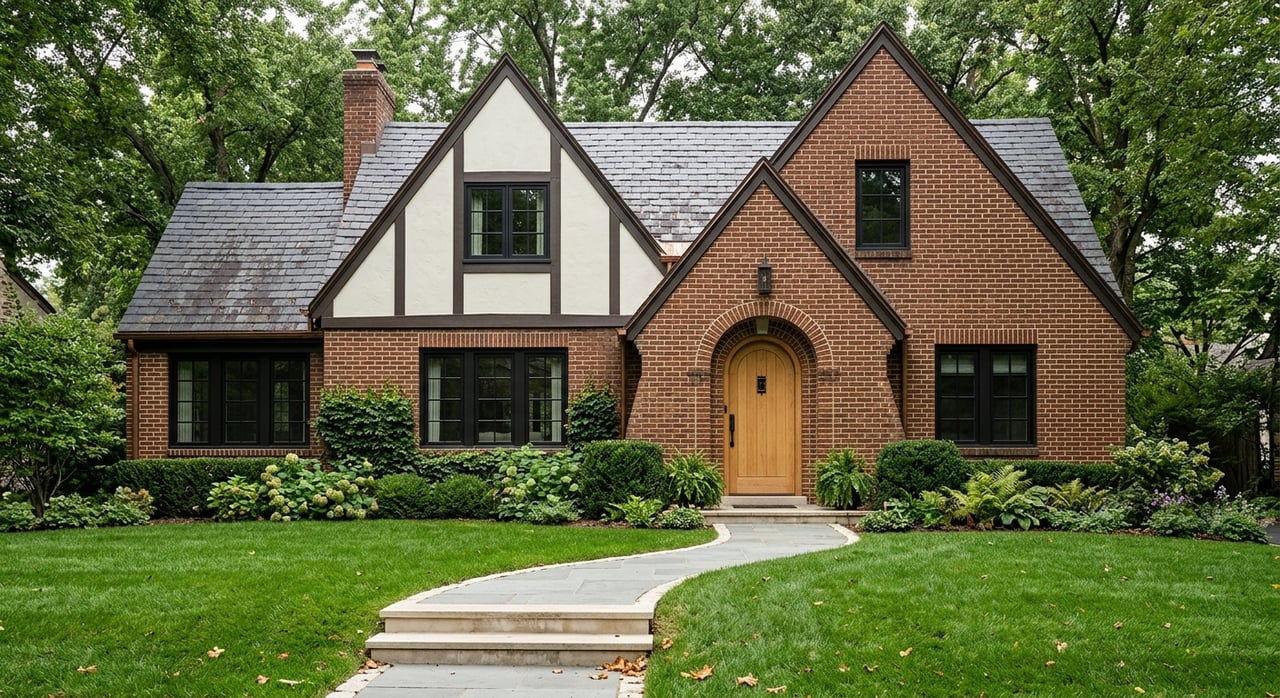
Tudor and other revival-era homes fit naturally into Webster Groves’ historic identity. Local preservation materials note that style, craftsmanship, period, and suitability for restoration all play a role in how historic significance is judged.
That matters for resale because buyers often look closely at exterior character. A compatible addition or thoughtful update usually reads better than a change that feels out of sync with the original home.
Mid-century and postwar homes
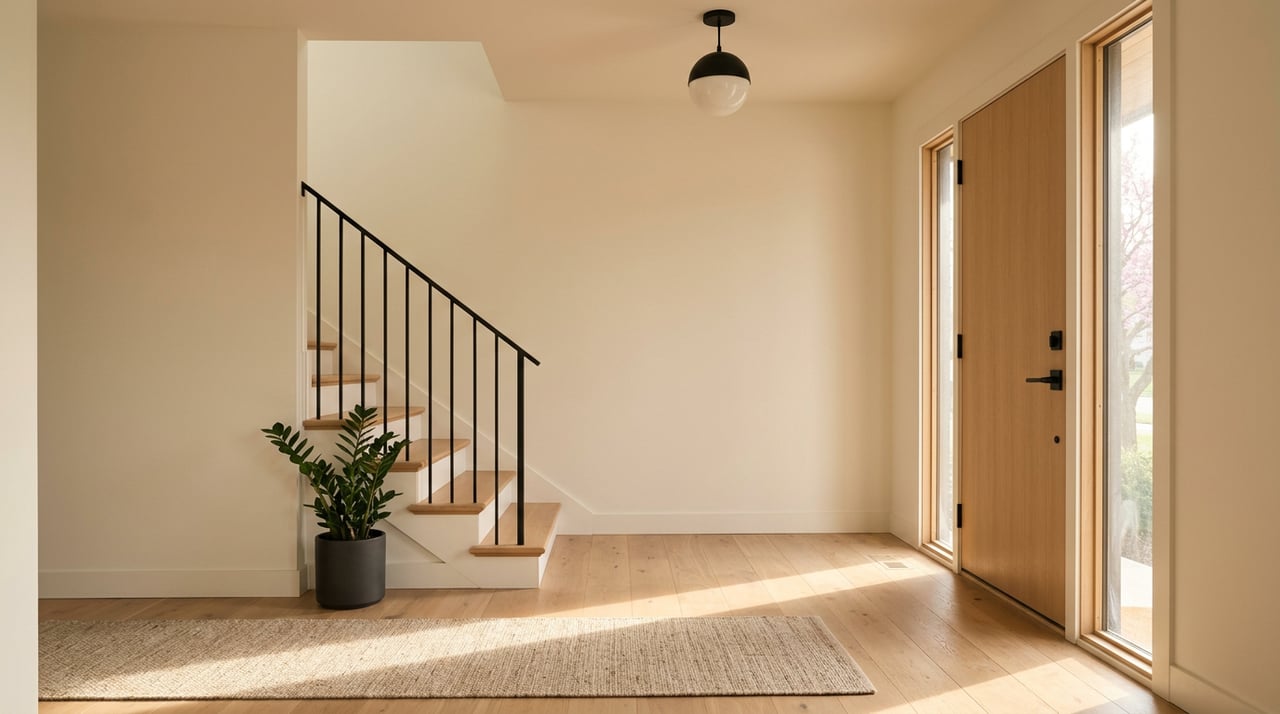
Mid-century and postwar homes can perform very well when the layout works and updates feel intentional. Buyers do still like open spaces, but many also value privacy, quieter rooms, and flexible spaces for work or hobbies.
That means a fully open layout is not always the goal. In many Webster Groves homes, a clean floor plan with usable rooms and updated systems can be just as attractive as dramatic cosmetic changes.
Newer infill and replacement homes
Newer homes can command strong prices in Webster Groves, but fit matters. The city’s residential demolition trends report found that replacement homes built after demolitions were often much larger and sold for far more than the homes they replaced.
At the same time, local rules and building patterns show that compatibility with the block is important. In other words, buyers may appreciate new construction features, but they also notice scale, placement, and whether the home feels connected to the street around it.
What affects resale beyond style
Style matters, but it is rarely the only factor driving value. In Webster Groves, several practical features often influence resale just as much, if not more.
Floor plan and function
A beautiful home can still struggle if the layout feels awkward. Buyers want rooms that make sense, feel proportional, and support real daily life.
That is good news if your home has a more traditional layout. Older room divisions are not automatically a drawback, especially when spaces feel useful, comfortable, and flexible.
Kitchens and bathrooms
Dated kitchens and bathrooms tend to stand out quickly. National remodeling data cited in the research report showed that both complete kitchen renovations and minor kitchen upgrades were estimated to recover about 60% of cost at resale, while bathroom renovations were estimated at 50%.
That does not mean every seller should launch a major remodel. It does mean buyers often react strongly to spaces that feel clean, current, and move-in ready.
Curb appeal and entry impact
In a community where architecture is part of the appeal, first impressions carry extra weight. The research report notes that 97% of REALTORS believe curb appeal matters in attracting a buyer, and 92% have suggested improving it before listing.
Small exterior improvements can go a long way. The same research found that a new steel front door recovered 100% of its cost at resale, while a fiberglass front door recovered about 80%.
Maintenance and readiness
Condition matters beyond surface updates. Webster Groves requires housing inspections intended to maintain the quality of the housing stock, and while a home can be sold as is, it cannot be occupied until code violations are corrected.
For sellers, that makes pre-list repair work especially important. A home that feels ready for the next owner often creates more confidence and fewer surprises during the transaction.
Historic character can support value
In Webster Groves, historic character is often part of the resale story. City preservation materials state that historic districts help manage change while preserving original character, and they also note that historic districts tend to appreciate in value and help stabilize neighborhoods.
For buyers, that can make an older home feel like more than just a property. It may also feel like a home with lasting identity, stronger architectural interest, and a place in the broader story of the community.
For sellers, this means preservation-minded updates can be a real advantage. Keeping original details where possible and making changes that feel consistent with the home’s style can strengthen how buyers perceive value.
Local rules owners should know
If you are planning updates before a future sale, local review rules matter. Webster Groves says ordinary maintenance and most interior changes generally do not require review, but exterior changes, additions, and new construction go through Architectural Review Board review.
For historic landmarks and properties in historic districts, added Historic Preservation Commission review may apply when demolition, relocation, lot splits, or boundary changes are proposed. That can affect project timing, design choices, and resale planning.
The city’s 2026 garage ordinance update is another useful example. Webster Groves lowered the general threshold for front-entry garages from 40% to 25% of single-family homes on a block, while keeping the 40% rule for historic districts.
The city also requires architectural integration when a garage projects forward or sits back from the front elevation. That reinforces a broader local point: additions usually support value best when they look like they belong to the house and the street.
Smart update strategies for resale
If you are preparing to sell in Webster Groves, the goal is not always to change your home’s style. Often, the better strategy is to make that style easier for buyers to appreciate.
Focus on updates that improve function, freshness, and confidence. In many cases, that includes:
- Fresh paint where needed
- Roof repairs or replacement if condition is an issue
- Kitchen and bath improvements that feel clean and current
- Entry and curb appeal updates
- Repairs tied to maintenance or inspection concerns
- Exterior changes that respect the home’s original design
These choices can help buyers see the value in the house you already have, rather than getting distracted by items that feel unfinished, dated, or out of place.
What buyers should watch for
If you are buying in Webster Groves, it helps to look past style labels alone. A bungalow, Tudor, mid-century ranch, or newer infill home can all be strong options when the condition, layout, and setting make sense.
As you compare homes, pay attention to:
- Whether updates feel compatible with the home’s design
- How usable the room layout feels day to day
- The condition of major systems and exterior elements
- Whether the home fits the scale and feel of the block
- Whether any planned exterior changes may require local review
That approach helps you judge a home on both lifestyle fit and future resale potential.
The bottom line on style and resale
In Webster Groves, style absolutely matters, but usually not in a simple way. Buyers tend to respond best when a home has clear character, solid condition, practical function, and updates that respect its setting.
That is true whether you own a compact Craftsman, a Tudor with historic detail, a mid-century home with clean lines, or a newer build. The homes that stand out are usually the ones that feel intentional, cared for, and well matched to the street around them.
If you are thinking about buying, selling, or making updates in Webster Groves, working with someone who understands how buyers read style at the neighborhood level can make a real difference. When you are ready for local guidance and a smart plan, connect with Holly Crump.
FAQs
How does home style affect resale value in Webster Groves?
- Home style can influence buyer interest, but condition, layout, curb appeal, and compatibility with the street often matter just as much.
Do historic homes in Webster Groves hold value well?
- City preservation materials say historic districts tend to appreciate in value and can help stabilize neighborhoods, which can support resale appeal.
Should you remodel a kitchen before selling a Webster Groves home?
- Not always, but dated kitchens often matter to buyers, and the research report notes that both major and minor kitchen updates can recover a meaningful share of cost at resale.
Are traditional floor plans a problem for Webster Groves resale?
- No. Buyers still like openness, but many also value privacy and flexible rooms, so a traditional layout can be a strength if it feels usable and well proportioned.
Do exterior changes in Webster Groves need approval?
- In many cases, exterior changes, additions, and new construction are reviewed by the Architectural Review Board, and some historic properties may require additional review.
What improvements usually help Webster Groves sellers most?
- Sellers often benefit from addressing paint, roof condition, kitchens, baths, curb appeal, and maintenance issues that could affect inspections or buyer confidence.