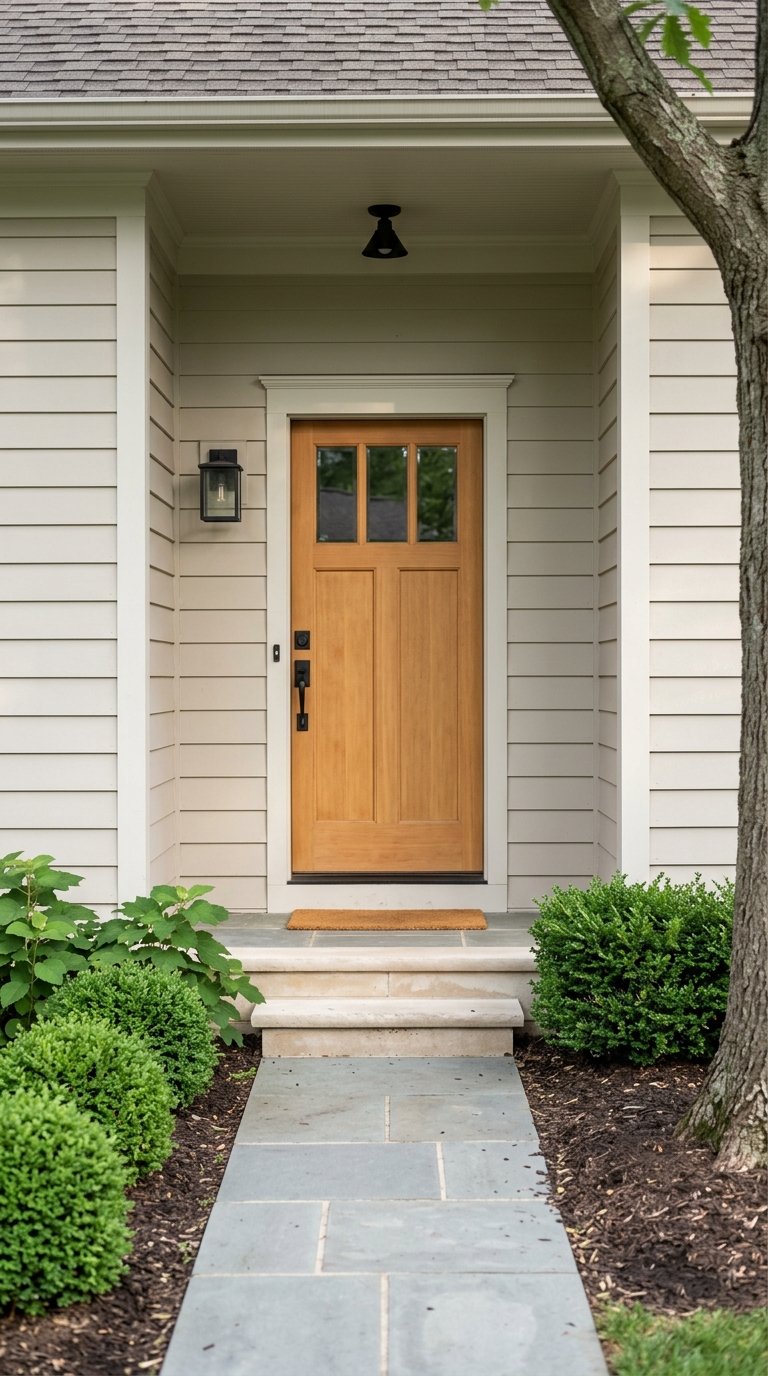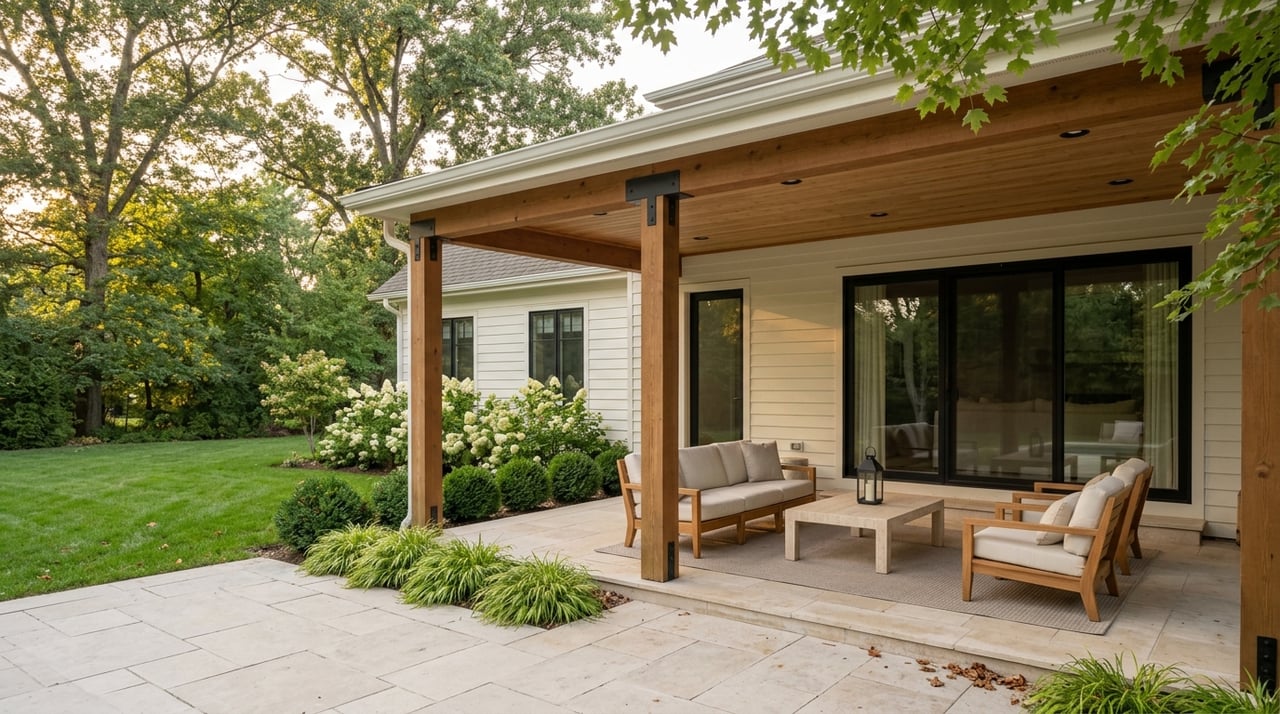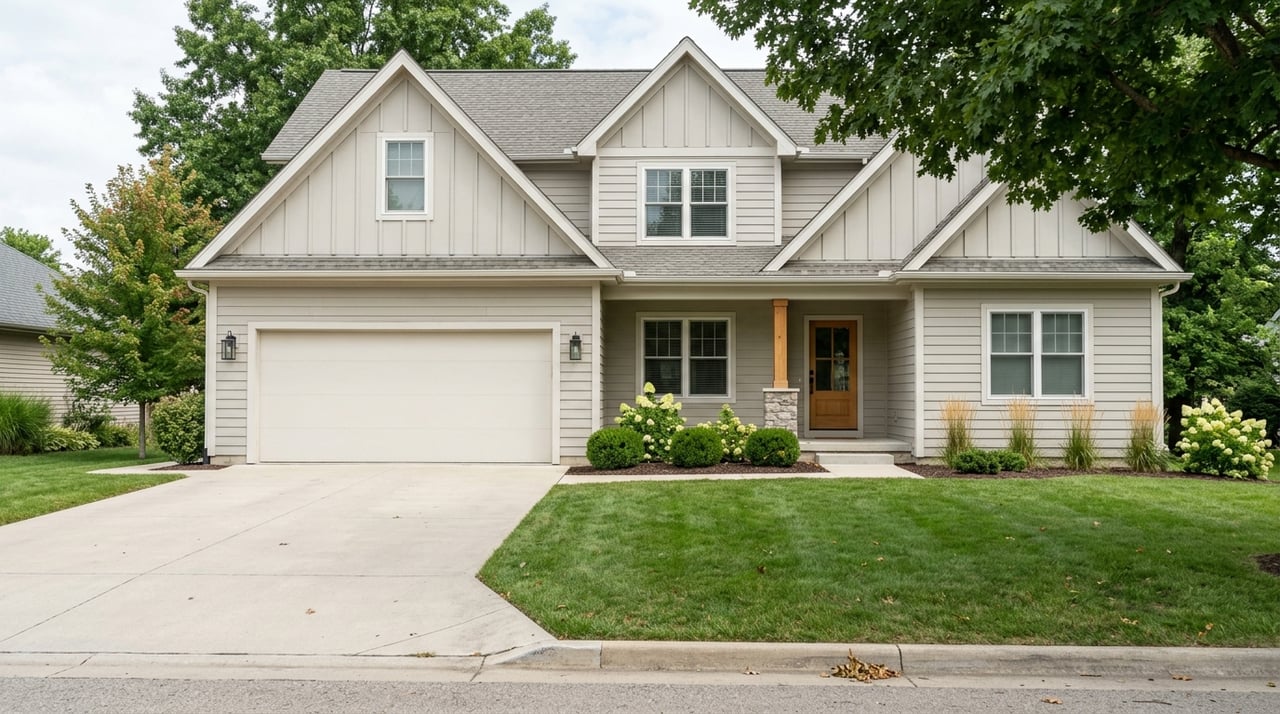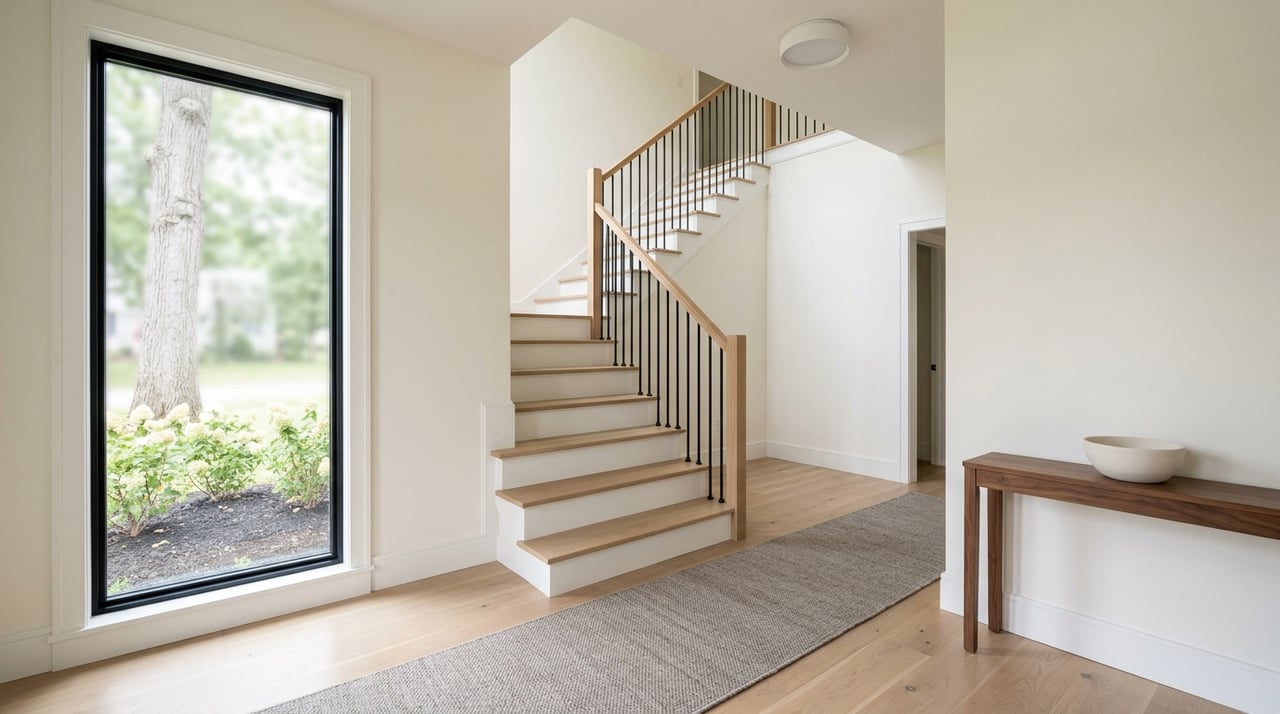
Thinking about a brand-new home in Fenton? You are not alone, and you are probably also wondering how to sort through floor plans, timelines, permits, and the big question of whether a Fenton address actually means the home is in the City of Fenton. If you want a clear picture of what new construction looks like here, what can affect your timeline, and how to compare your options with confidence, you are in the right place. Let’s dive in.
Understand the Fenton new-construction market
Fenton has a mixed new-construction landscape. Some opportunities involve single lots, infill projects, or smaller subdivision work inside the City of Fenton, while others are found in nearby communities that may have a Fenton mailing address but fall under a different municipality or county authority.
That detail matters more than many buyers expect. The City of Fenton handles municipal zoning approval, while St. Louis County handles building permits and related inspections for homes in the city. In nearby Fenton-area communities, especially in Jefferson County, the rules and oversight can be different.
A Fenton address does not tell the whole story
If you are shopping new construction in the Fenton area, do not assume every home with a Fenton address is governed by the City of Fenton. Before you move forward, it is smart to verify:
- Municipality
- Permit authority
- Utility setup
- Tax base
- School district
This is one of the most important early steps because it can shape your timeline, approvals, and even your monthly costs.
Where current opportunities are showing up
Current public examples in the Fenton area are concentrated in a few planned communities instead of being spread across many open subdivisions. Publicly advertised examples near Fenton include communities in Jefferson County with pricing from the $300s into the $400s, along with both build-to-order floor plans and some quick move homes.
That gives you a useful snapshot of the market. If you want more choices on finishes and layout, a build-to-order option may fit best. If your timeline matters more, quick move inventory may be worth a closer look.
Know what can affect your timeline
One of the biggest surprises with new construction is that the process is not just about choosing a floor plan and waiting for the house to be finished. In Fenton, the timeline can include zoning approval, permit review, grading, construction, inspections, and final occupancy approval.
Inside the City of Fenton, the residential new-construction checklist requires municipal zoning approval, two copies of a site plan, two complete sets of building plans, and a $25 processing fee. The city also requires a Residential Occupancy Permit before a new dwelling can be occupied.
What the site plan must show
The city’s checklist is detailed, and that is a clue to why timelines can vary from lot to lot. A site plan must show items such as:
- Setback lines
- Easements
- Present and finished grades at each corner of the structure
- Direction of water flow
- Foundation outline
- Curb elevation
- Foundation elevation
- Street names abutting the parcel
These are not small details. They affect whether a lot is ready to move forward and whether the home can be built as planned.
Extra permits can add steps
St. Louis County’s guide includes a few requirements buyers often do not expect. A separate land disturbance permit is required before grading, and excavation in the public right-of-way needs a separate excavation permit.
If driveway access is not available, a separate temporary entrance permit may also be needed from the right-of-way owner. On larger sites, major land disturbance permits can apply when excavated and fill areas exceed 1 acre in the applicable county jurisdictions.
Utility setup can change the process
If a lot is not connected to public utilities, the process can become more involved. According to the county guide, on-site wells are regulated by the Missouri Department of Natural Resources, and septic systems require separate county approval.
That septic approval is especially important because the building permit will not be issued until the septic system permit is approved. If you are comparing lots, this is a practical question to ask early.
Compare quick move homes and build-to-order homes
If your top goal is speed, a quick move home may give you a shorter path to closing. If your top goal is personalization, a build-to-order home may be the better fit.
That choice is often where buyers can save time, reduce stress, or gain more control over the final product.
When a quick move home makes sense
Quick move homes can work well if you:
- Need a more predictable move-in date
- Want to avoid a longer design and construction timeline
- Prefer to see a more complete product before you commit
- Want new construction without waiting through every phase
Because these homes are already under construction or completed, there are usually fewer moving parts left in the process.
When build-to-order makes sense
Build-to-order homes can be a better match if you:
- Want to choose your floor plan
- Care a lot about homesite selection
- Want more say in finishes and options
- Can be flexible on timing
In the Fenton area, this can be especially appealing if you are focused on getting the right layout and a more tailored finish package.
Budget for more than base price
A base price is only the starting point in many new-construction communities. Final pricing can vary based on floor plan, homesite, elevation, and your personal design selections.
That means the real budget conversation often happens after you fall in love with a model or a floor plan. It is wise to ask early what is included in the base price and what tends to cost extra.
Design center choices can add up fast
Personalization is one of the biggest advantages of new construction, but it can also be one of the biggest budget drivers. Upgraded finishes, structural options, homesite premiums, and elevation changes can shift the final price meaningfully.
If you are trying to stay close to base pricing, it helps to decide in advance where you want to spend and where you are comfortable keeping things simple.
New construction and resale have different cost patterns
With an existing home, more of your budget may go toward inspection findings, repairs, or updates after closing. With a new home, more of your spending may happen upfront through lot choices and design selections.
The Consumer Financial Protection Bureau also reminds buyers to budget for closing costs, moving costs, repairs, and home improvements. That is true whether you choose new construction or resale.
Protect yourself with inspections and contract review
A brand-new home is still a home under construction, and that means details matter. New does not mean perfect.
HUD advises buyers to get a professional home inspection, and the CFPB recommends making a purchase offer or sales contract contingent on financing and a satisfactory inspection. Those are smart safeguards, especially when you are making a large purchase on a tight timeline.
Inspection still matters on a new home
In the Fenton area, some of the most important inspection themes often relate to:
- Grading and drainage
- Foundation and elevation accuracy
- Whether the finished home matches approved plans
Those issues matter because the city and county requirements place clear emphasis on site conditions, elevations, water flow, and plan accuracy.
Ask clear questions about the contract
Builders may ask for an upfront deposit, so it is important to ask when that deposit can be returned. The CFPB also notes that you do not have to use the builder’s affiliated lender, which means it is worth shopping rates and terms on your own.
Even if the builder process feels more standardized than a resale purchase, you still want to understand the contract, deadlines, and financial commitments before you sign.
Understand how warranties work
Many buyers assume a new home warranty covers everything, but that is not always the case. The FTC says new-home warranties are usually limited and can vary by component.
Some warranties are backed by the builder, while others are backed by a third-party company. The FTC also notes that many new-home warranties do not cover your out-of-pocket living costs while repairs are being made.
What to clarify before closing
Before you close on a new home, ask for details on:
- What components are covered
- How long each part of the coverage lasts
- Who backs the warranty
- How claims are submitted
- What exclusions apply
If you are using FHA or VA financing, the FTC notes that newly built homes require third-party warranties. That is another reason to review warranty documents carefully.
Compare new construction with existing homes in Fenton
If you are still deciding between new construction and resale, the tradeoff is fairly simple. New construction usually offers more customization, newer systems, and builder warranty coverage, while existing homes may offer a shorter move-in timeline.
Neither path is automatically better. It depends on whether your biggest priority is personalization or a more immediate move.
Choose based on your real priority
If your priority is a known move-in date, quick move inventory or an existing home may be the better choice. If your priority is finding the right lot, the right plan, and a finish package that feels more tailored to you, build-to-order may be worth the extra time.
That is where local guidance can make a real difference. When you understand the municipality, permits, lot conditions, builder process, and contract terms before you commit, you can move forward with far more confidence.
If you are weighing new construction in Fenton and want help comparing communities, timelines, and resale alternatives, working with a local agent can help you avoid expensive assumptions and focus on the options that truly fit your goals. When you are ready for personalized guidance, connect with Holly Crump for expert support in Fenton and across the St. Louis metro suburbs.
FAQs
Is new construction in Fenton always inside the City of Fenton?
- No. Some communities with a Fenton mailing address may be outside the city and under different municipal or county jurisdiction.
How long does new construction in Fenton usually take?
- It varies based on zoning approval, permit review, grading, utility setup, construction progress, and whether you choose a quick move home or a build-to-order home.
Do you need an inspection for a brand-new home in Fenton?
- Yes. HUD advises buyers to get a professional home inspection, and the CFPB recommends keeping the contract contingent on a satisfactory inspection.
What affects the final price of a new-construction home in Fenton?
- Final price can vary by floor plan, homesite, elevation, and your design selections, so base price is usually not the full picture.
What permits matter for building a home in Fenton?
- Depending on the property and jurisdiction, the process can involve zoning approval, building permits, land disturbance permits, excavation permits, temporary entrance permits, and a final Residential Occupancy Permit.
Are new-home warranties in Fenton all the same?
- No. Warranty coverage can be limited and varies by component, builder, and warranty provider, so you should review the details carefully before closing.