If you price your Arnold home too high, you can lose valuable momentum fast. If you price it too low, you may leave money on the table. In a market where homes can move quickly but buyers are still watching value closely, the right list price matters more than ever. Here’s how to think about pricing your Arnold home in today’s market and what can help you launch with confidence.
Arnold Market Conditions Right Now
Arnold remains a competitive suburban market with solid buyer interest. The city reports a population of about 21,059 residents, and its access to I-55, US 61, and MO 141 supports its appeal for buyers looking across the broader St. Louis metro area.
Recent housing data shows a market that is active, but not careless. Zillow reported an Arnold home value index of $273,572 as of March 31, 2026, up 4.0% year over year, with homes going pending in around 6 days. Redfin’s March 2026 data showed a median sale price of $270,000, median days on market of 20, a 103.3% sale-to-list ratio, and 56.5% of homes selling above list.
At the same time, Realtor.com reported a median listing price of $295,000, 22 days on market, and 98 homes for sale. Those numbers are not conflicting. They reflect different measures, including estimated value, closed sale price, and active asking price.
The bigger takeaway is this: Arnold homes can attract strong attention when priced well. But buyers are still comparing options carefully, so a list price needs to match current market reality.
Why Pricing Precision Matters
In a market like Arnold, pricing is not about guessing the highest number a buyer might accept. It is about choosing a price the market can support based on recent sales, current competition, and your home’s condition.
That matters even more with mortgage rates where they are today. Freddie Mac reported the average 30-year fixed mortgage rate at 6.30% on April 30, 2026. Even though purchase applications were running more than 20% above a year earlier, buyers are still sensitive to monthly payment changes.
In practical terms, that means buyers may move quickly on a home that feels well-priced and well-prepared. They may also hesitate if the price seems out of step with similar homes they have already seen.
Start With Comparable Sales
The strongest pricing strategy starts with comparable closed sales. Fannie Mae says comparable sales should have similar physical and legal characteristics, including site, room count, finished area, style, and condition.
It also notes that sales from the same market area are the best indicator of value when available. A minimum of three closed comparable sales should be used, and sales from the last 12 months are generally preferred.
That means your home should not be priced based on hope, a neighbor’s opinion, or an automated estimate alone. Online valuation tools can be useful as a reference point, but they do not replace a close review of what buyers have recently paid for homes similar to yours in Arnold.
Current Listings Matter Too
Closed sales help define value, but current listings shape your competition. Buyers are not just comparing your home to what sold a few months ago. They are comparing it to what they can tour right now.
Fannie Mae allows current listings and contract offerings to be used as supporting data when appropriate. That is especially helpful in a market where pricing has to work in real time.
If similar Arnold homes are active at certain price points, your list price has to make sense next to them. If there are limited direct comps, competing-market comps may also help support pricing, as long as the reasoning is clear and adjustments are well thought out.
Condition Affects What Buyers Will Pay
Price and condition go hand in hand. Two homes with similar square footage and layout can perform very differently if one feels clean, updated, and move-in ready while the other shows deferred maintenance.
Fannie Mae notes that adjustments to comparable sales should reflect differences in condition and concessions. Missouri disclosure guidance also makes it clear that issues affecting value, such as physical condition, material defects, title defects, and repair history, matter in a sale.
This is one reason sellers often benefit from doing some prep work before listing. A cleaner presentation and better documentation can support a stronger pricing position from day one.
What Sellers Can Do Before Listing
A few focused steps before going live can make pricing more effective. Staging guidance from NAR says decluttering and styling help buyers picture themselves living in a home. It also reports that 83% of buyers’ agents said staging makes it easier for buyers to visualize the home as their future home.
More than a quarter of real estate professionals also said staging brought in 1% to 10% more in offered value for their sellers. That does not mean every home needs a full redesign. It does mean thoughtful presentation can influence how buyers respond to price.
Before listing, it helps to focus on:
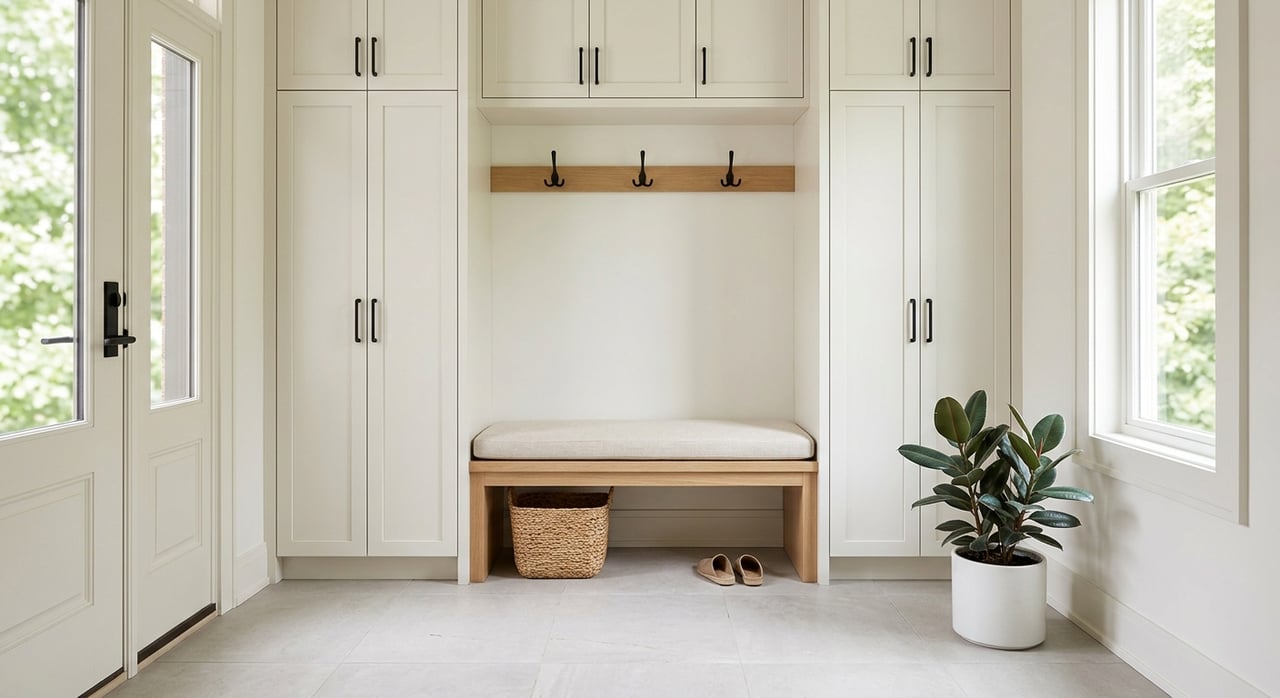
- Packing away personal items
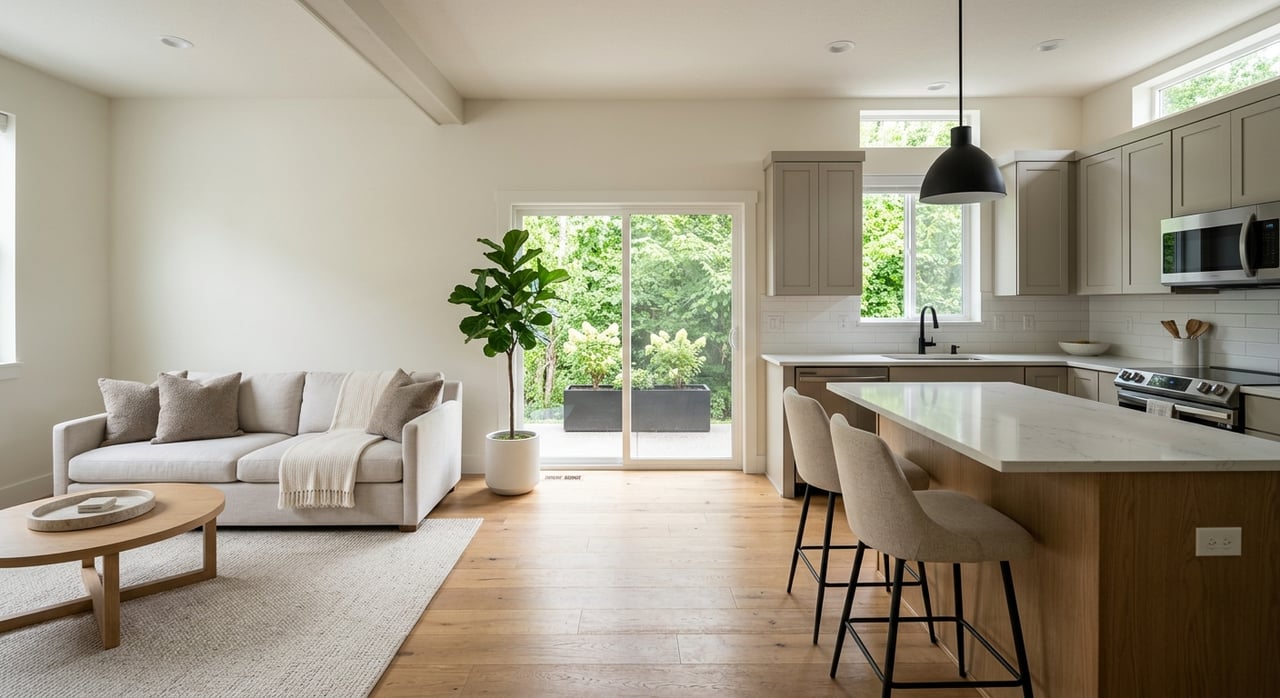
- Removing bulky furniture that makes rooms feel smaller
- Using neutral paint where needed
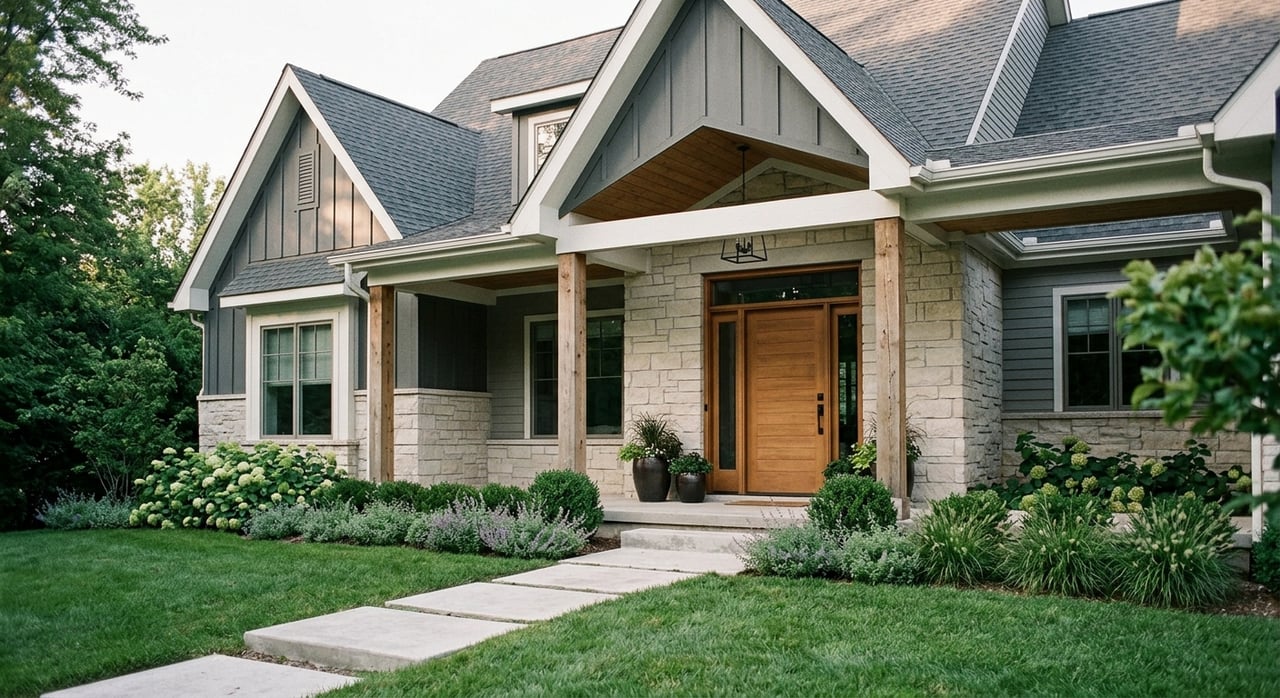
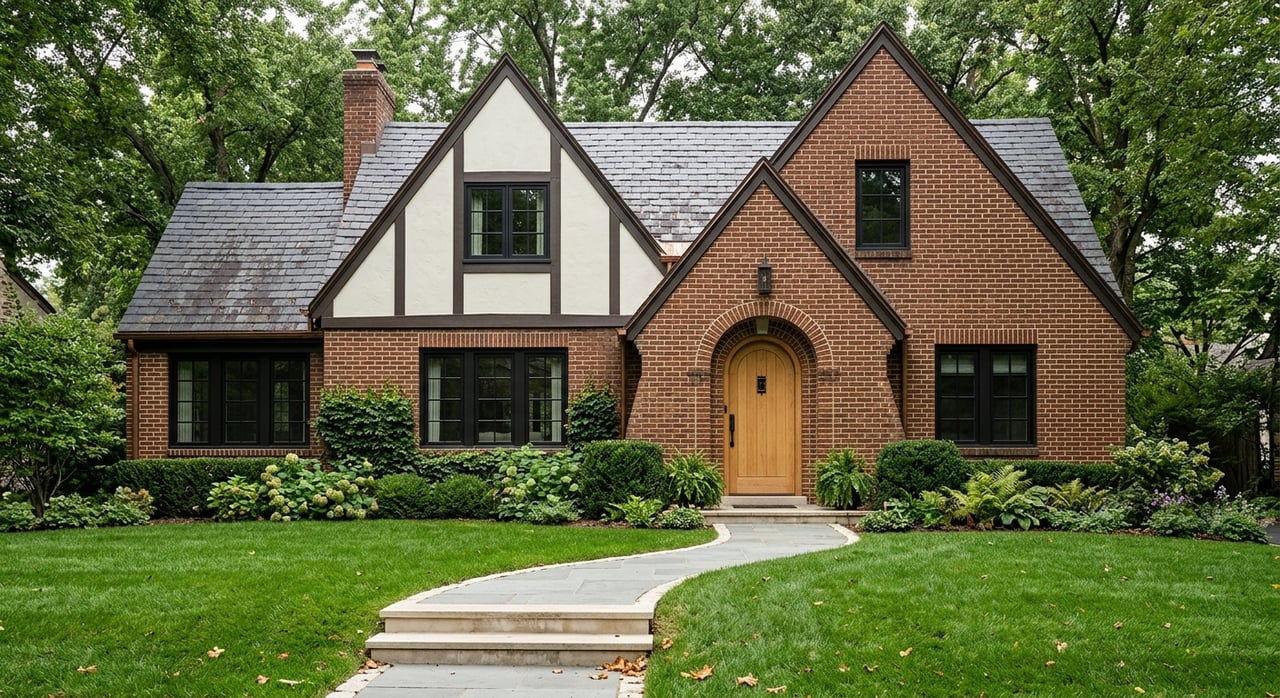
- Freshening the entry and landscaping
- Organizing repair records and permit history
- Addressing obvious deferred maintenance
These steps can improve first impressions and reduce buyer objections during showings.
Arnold Sellers Need To Plan For Local Compliance
Arnold has an important local requirement that sellers should address early. The city states that when ownership or occupancy changes, a Property Maintenance Inspection is required before a Certificate of Compliance is issued.
The city also says a new occupant must secure an Occupancy Permit before occupying the property. In addition, Arnold states that it is unlawful to sell, transfer, mortgage, lease, or otherwise dispose of a structure until a Certificate of Compliance has been secured.
This can directly affect your pricing and timing strategy. If your home has code issues, incomplete permits, or deferred repairs that may come up in the inspection process, those factors should be considered before setting the list price and launch date.
Watch Buyer Response After Launch
Even with strong preparation, pricing is not something you set and forget. Once your home hits the market, buyer response gives you valuable information.
In Arnold, current data points to median days on market in roughly the 20 to 22 day range, depending on the source. If your listing is sitting well beyond that range without strong interest, it may be time to revisit the price, the condition, or both.
That does not mean every home should sell instantly. It does mean you should compare your showing activity and feedback against what the local market is doing right now.
What Showing Feedback Can Tell You
The pattern of buyer feedback matters. If showings are slow from the start, price may be limiting how many buyers even consider the home.
If showings are steady but offers are not coming in, buyers may be seeing the home as overpriced compared with other options. If buyers like the home but raise repeated concerns about condition, repairs, or updates, the issue may be a mix of pricing and presentation.
The best response is market-based, not emotional. A pricing review may point to a list price adjustment, a targeted concession strategy, or updates to how the home is being positioned.
Aim For A Defensible Price
NAR advises a middle-of-the-road pricing mindset to help avoid lingering on the market and repeated price cuts. In Arnold, that approach fits the current data well.
This is a market where many homes can sell above list, but not every home should start above what the comps support. Strong pricing is about choosing a number buyers can understand and defend when they compare your home to recent sales and active competition.
The goal is not just to get attention. The goal is to attract serious buyers, protect your negotiating position, and keep your sale moving forward.
Pricing Is Part Strategy, Part Execution
A smart list price works best when it is backed by preparation, local knowledge, and strong marketing. That includes reviewing closed sales, studying active competition, understanding Arnold’s local compliance steps, and paying attention to real buyer feedback once your home is live.
When those pieces come together, pricing becomes a strategy instead of a guess. And in a market like Arnold, that can make a meaningful difference in both your timeline and your outcome.
If you’re thinking about selling and want a pricing strategy built around today’s Arnold market, connect with Holly Crump for a personalized plan.
FAQs
How should you price a home in Arnold, MO?
- The best starting point is recent comparable closed sales, along with current listings, your home’s condition, and how buyers are responding to similar homes in Arnold.
Is Arnold, MO a seller’s market right now?
- Arnold appears to be a relatively fast-moving market, with recent data showing about 20 to 22 median days on market and many homes selling above list price.
What is the median home price in Arnold, MO?
- Recent reports vary by metric, with Redfin showing a $270,000 median sale price, Zillow reporting a $273,572 home value index, and Realtor.com showing a $295,000 median listing price.
Why does home condition matter when pricing in Arnold?
- Condition affects how buyers compare your home to others, and it can influence both perceived value and any pricing adjustments tied to repairs, updates, or concessions.
What do Arnold sellers need before closing or occupancy changes?
- The City of Arnold says a Property Maintenance Inspection is required before a Certificate of Compliance is issued, and a new occupant must obtain an Occupancy Permit before occupying the property.