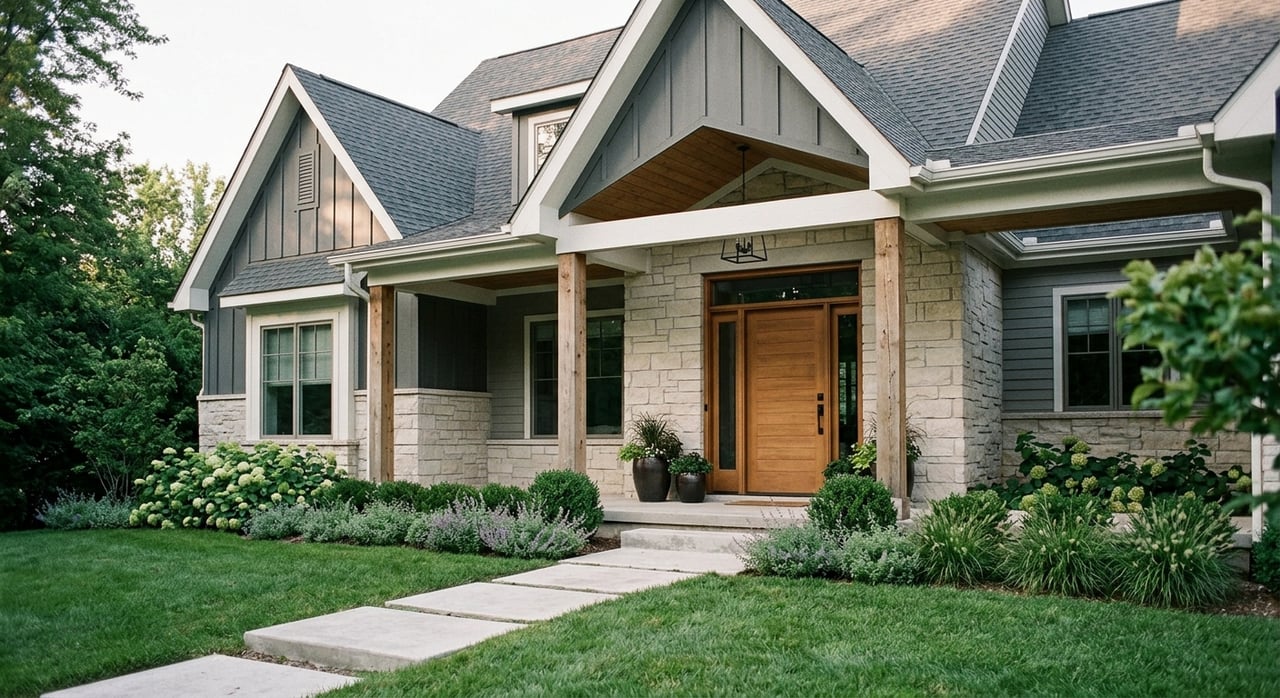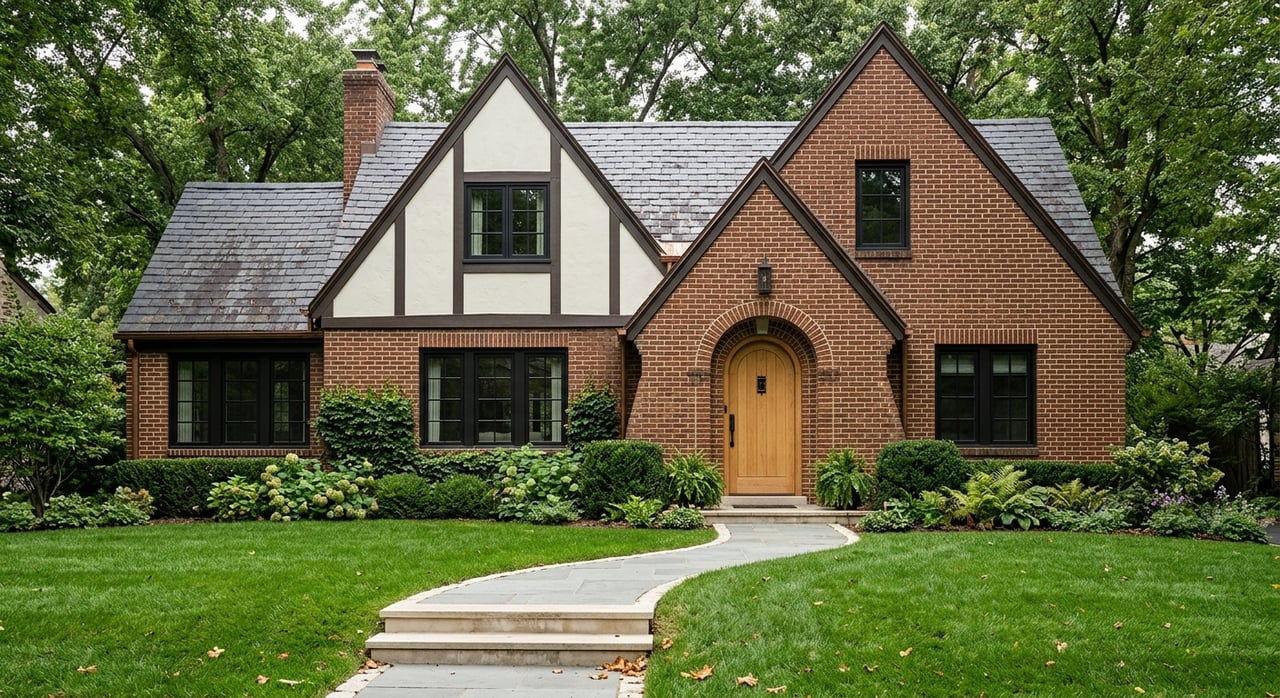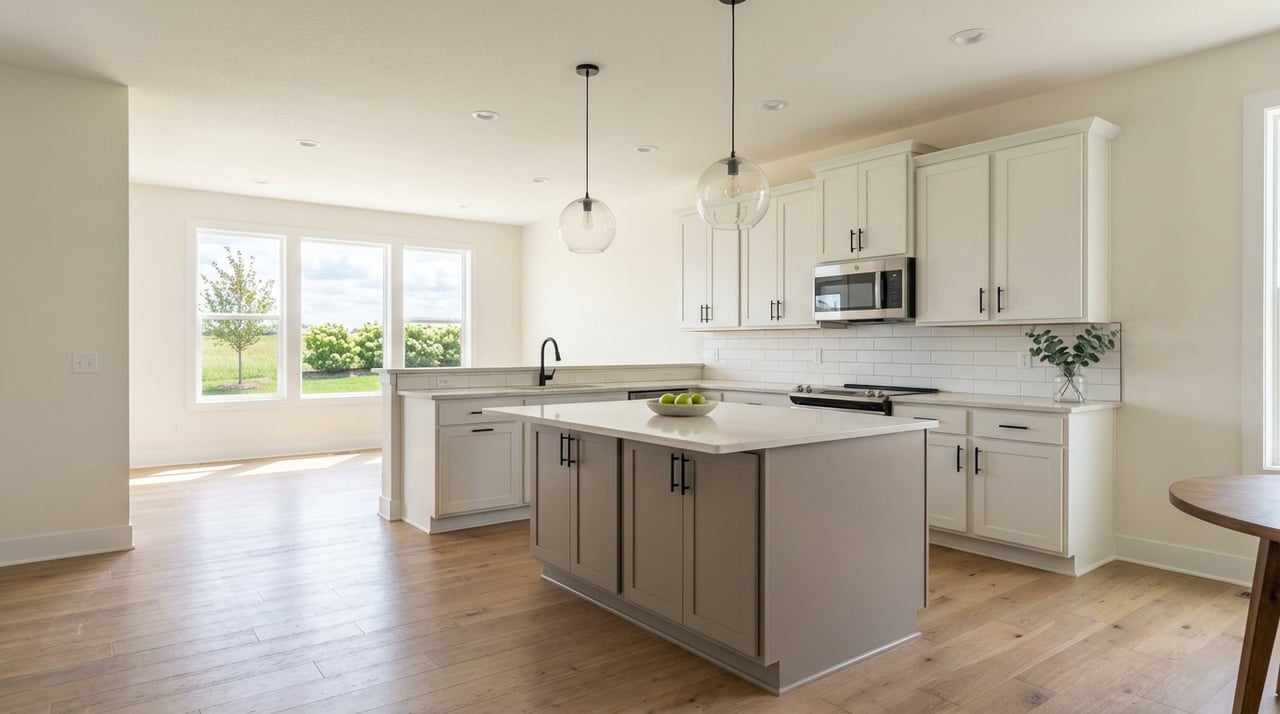
Thinking about trading your current place for a brand-new home around Festus? You want the clean finishes, smart layouts, and lower maintenance without surprises along the way. In this guide, you’ll learn what to expect from local builders and communities, how timelines really work, which inspections and warranties matter, and where an experienced agent adds value. Let’s dive in.
Festus new construction snapshot
You’ll find a mix of small local/custom builders and a few production-style communities around Festus. For example, K.A.B. Homes offers plans in Tanglewood Estates with a range of layouts and finishes you can explore on the community page. You’ll also see long-running custom names in southern Jefferson County, such as Tinnin Homes, highlighted in local coverage. These options give you flexibility, from quick-move plans to one-off custom builds. Explore K.A.B. Homes at Tanglewood Estates and local builder coverage for Tinnin Homes.
Jefferson County permitting happens through the County’s Citizen Portal, where builders apply for permits and schedule inspections. Permit volume has been steady, and federal permit data show the County issuing hundreds of new-unit permits in recent years. Before you count on a start date, ask your builder about current permit turnaround and inspection scheduling through the County. Check the Jefferson County Citizen Portal and see the FRED series for Jefferson County permits for broader context.
Floor plans, lots, and finishes
You’ll see three broad product types near Festus:
- Subdivision lots with typical suburban footprints, often with the potential for basements or walkout designs depending on terrain.
- Production homes with popular ranch and two-story plans and limited exterior customization for efficiency and value.
- Custom or acreage builds for buyers who want more space or tailored designs, offered by local builders with deep area experience.
For a sense of available layouts and features, browse current Festus-area communities and plan brochures on local directories. They outline square footage, elevation options, and what is included. Start with the Festus communities index for examples.
Standard features vs. upgrades
Most builders publish a standard features list along with optional upgrades. Typical standard packages include builder-grade cabinets, carpet or entry-level LVP in secondary spaces, laminate or entry-level solid-surface countertops, a basic appliance package, standard plumbing and lighting, and insulated windows that meet current code. Builders then price optional items like quartz or granite counters, upgraded cabinetry, LVP or hardwood across main areas, tile showers, higher-efficiency HVAC packages, premium appliances, exterior accents, outdoor living features, and smart-home bundles. Review the builder’s pricebook to see exactly what is included and what costs extra, and confirm any lead times noted in their design selections. Guidance on navigating inclusions and options is covered in new-home buyer resources like NewHomeSource’s purchasing overview.
HOA and energy basics
Some new subdivisions include HOA governance with recurring dues and community rules. Always request the full HOA documents, covenants, budget, and any upcoming assessments before you sign. New homes must meet current building codes and typically include modern HVAC, insulation, and windows. Builders often highlight energy features, and some may offer HERS or similar documentation upon request. Verify any efficiency claims directly with the builder.
Timeline: how long a Festus build takes
Build time depends on whether you select a production plan or a custom design, plus weather and permitting. As a general frame, production or spec homes often take about 6 to 9 months from permit to completion, while custom builds can take 10 to 18 months or more based on complexity. Use these ranges to plan, then confirm your specific lot, plan, and schedule with the builder. For common timing patterns and how to prepare, see NewHomeSource’s guide on new-construction delays.
Local permitting and inspections
Jefferson County manages building permits and inspection scheduling online. Your builder will submit plans, pay fees, and coordinate inspections through the County portal. Turnaround times can vary with demand. Before you lock in a move-in date, ask your builder for a current estimate based on the County’s queue and their subcontractor availability. You can review the County’s process on the Citizen Portal.
Common delays to plan for
Expect some variability. The most frequent causes of delay include:
- Permitting or inspection backlogs at the County level.
- Material lead times for windows, cabinets, and appliances.
- Skilled-labor scheduling for key trades like framing and mechanicals.
- Weather and site prep, including grading, drainage, or rock conditions.
Understanding these factors up front helps you set a move-in buffer and avoid last-minute stress. A good builder will communicate schedule updates and critical path items early.
Inspections you control
Municipal inspections are required, but you should also budget for independent third-party inspections. Common checkpoints include a pre-pour foundation review, a pre-drywall inspection to check framing and rough-ins, and a detailed final inspection before closing. An inspector experienced with new construction can flag items that municipal checklists may miss. Learn more about what third-party inspections cover from regional pros like Apron North KC.
Your builder will coordinate final municipal inspections and obtain a Certificate of Occupancy before closing. Confirm how they handle the final walkthrough, punch-list timing, and any items that might be completed shortly after you move in. Allow a short buffer between closing and major commitments like lease endings or deliveries whenever possible.
Warranties and post-closing service
Most builders follow an industry-standard warranty structure: generally one year for workmanship, two years for major systems like plumbing, electrical, and HVAC, and a longer structural warranty, often 10 years, for load-bearing components. Many enroll homes in third-party structural programs, such as 2-10 HBW, and either self-administer or outsource claims. Ask for the full warranty packet up front and confirm:
- How to submit claims and expected response times.
- Who performs repairs and how scheduling works.
- Any service fees, exclusions, and whether coverage is transferable.
For a plain-language overview of structural programs and buyer care, see 2-10 Home Buyers Warranty resources.
Financing and builder incentives
If you’re building from the ground up, you might choose a one-time-close construction-to-permanent loan or a two-close structure with a separate construction loan and then a permanent mortgage. FHA and VA have specific construction-to-permanent products, and lender experience matters because the builder must cooperate with draws and inspections. Get aligned early with a lender who regularly does construction loans so your financing timeline matches the build. For a helpful primer, review this construction-loan guide.
Builders often offer incentives. Common levers include closing-cost assistance, design-center credits, appliance or landscape packages, and sometimes price adjustments on move-in-ready homes. Some incentives are tied to a preferred lender. Compare the true value of those perks to independent loan quotes before you decide.
How your agent protects you
The model-home salesperson represents the builder. You deserve independent representation focused on your best interest. Bring your agent in before you sign anything so you can review the contract, confirm inclusions, and set realistic timelines.
Key contract items to review together:
- Deposits and refundability, milestone dates, and who is responsible for delays.
- Financing and appraisal protections, plus how change orders are priced and approved.
- Exact included items by brand and spec: cabinets, counters, flooring, lighting, appliances.
- Warranty coverage, claim process, and who handles service.
- HOA documents, covenants, and budgets when applicable.
Model-center checklist to print and bring
- Full purchase agreement, with deposit terms and refund schedule.
- Builder pricebook with upgrade options and installed pricing.
- Floor plans, elevations, and a list of available lots with any lot premiums.
- Warranty packet details, including any third-party structural coverage.
- HOA covenants and budget, if applicable.
- Estimated permit and inspection timeline, plus your builder’s main schedule contact.
- Post-closing customer-care contact and service request process.
Ready to explore new construction around Festus?
If you’re weighing a move-up to a new build, I’ll help you compare communities and plans, sort must-have upgrades from nice-to-haves, and manage inspections, timelines, and warranties with confidence. Let’s map the path that fits your goals and budget. Connect with Holly Crump to get started.
FAQs
How long does a new build in Festus usually take?
- Many production builds finish in about 6 to 9 months from permit to completion, while custom homes often run 10 to 18 months or more depending on complexity and conditions.
What inspections should I order on a brand-new home?
- Plan for a pre-pour foundation check, a pre-drywall inspection for framing and rough-ins, and a final inspection before closing, all by an independent inspector experienced with new construction.
What does a new-home warranty typically cover?
- You’ll commonly see one year for workmanship, two years for systems like plumbing, electrical, and HVAC, and about 10 years for major structural components, with specifics detailed in the builder’s warranty packet.
How do Jefferson County permits affect my start date?
- The County’s online portal controls permits and inspections, and backlogs can add weeks. Ask your builder for current turnaround estimates and confirm scheduling early in the process.
Which upgrades usually make sense in Festus new builds?
- Popular choices include durable main-level flooring, upgraded cabinets, quartz or granite counters, tile showers, and select energy or comfort features. Review the builder’s pricebook to prioritize what adds daily value for you.